


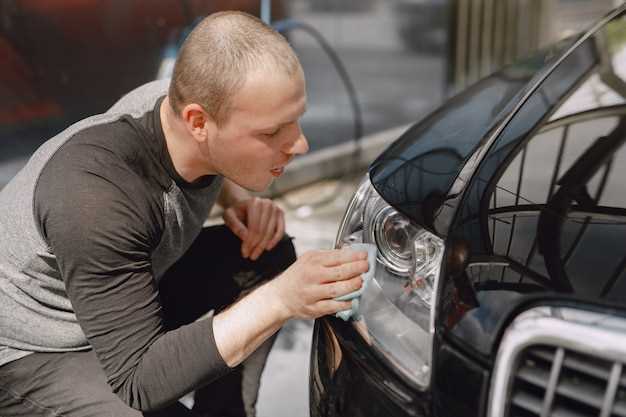
Faded headlights can significantly diminish your vehicle’s clarity on the road, posing hazards not only to you but also to other drivers. Over time, exposure to UV rays, road debris, and harsh weather conditions can degrade the protective plastic covering of your headlights, leading to a yellowed or cloudy appearance that hinders illumination. Fortunately, restoring your headlights is a straightforward task that can save you money and improve safety.
This guide provides step-by-step instructions for restoration techniques that can revitalize your headlights, making them clear and bright once again. With just a few common household items and a little bit of effort, you can enhance your vehicle’s visibility at night and improve its overall aesthetic. Say goodbye to those dim, dull headlights and reclaim the clarity and safety that your vehicle deserves.
Whether you’re a seasoned DIY enthusiast or a novice looking to tackle your first car project, this simple guide will equip you with the knowledge needed to complete headlight restoration efficiently and effectively. Let’s get started on bringing back the shine to your headlights!
Fixing Faded Headlights Yourself: A Simple Guide

Faded headlights can significantly reduce visibility while driving, posing a safety hazard. Fortunately, headlight restoration can be done easily with some DIY techniques. Follow this simple guide to rejuvenate your headlights.
Tools and Materials Needed
- Sandpaper (400, 800, and 1000 grit)
- Microfiber cloth
- Bucket of water
- Automotive polishing compound
- Clear coat sealant (optional)
- Masking tape
Step-by-Step Restoration Process
-
Preparation:
- Clean the headlight surface with soap and water.
- Dry thoroughly with a microfiber cloth.
- Use masking tape to protect the surrounding paint.
-
Sanding:
- Wet the sandpaper and start with 400 grit; sand the headlight in a circular motion.
- Gradually move to 800 grit, continuing to sand until the surface feels smooth.
- Finish with 1000 grit for a polished look.
-
Polishing:
- Apply a small amount of automotive polishing compound to a clean microfiber cloth.
- Buff the headlight in circular motions until clarity is restored.
-
Sealing (optional):
- If desired, apply a clear coat sealant to protect the headlights from UV damage.
- Follow the product instructions for proper application.
By following these steps, you can effectively restore your faded headlights, improving your vehicle’s safety and appearance with a straightforward DIY approach.
Assessing Headlight Condition and Cleaning Techniques

To determine the condition of your headlights, start by inspecting them visually. Look for signs of cloudiness, yellowing, or scratches, as these issues significantly affect light clarity and performance. A well-maintained headlight should be clear and transparent, allowing maximum light output. Ensure that the lenses are free of debris and dirt, as these can also impede visibility.
Once you’ve assessed the condition, you can proceed with cleaning techniques to restore clarity. Begin with a basic wash using soap and water to remove surface dirt. For deeper cleaning, use a specialized headlight restoration kit, which often includes sandpaper, polishing compound, and sealant. Follow the instructions carefully, starting with the coarsest sandpaper to remove oxidation, and gradually moving to finer grits for a smooth finish.
After sanding, apply the polishing compound to restore shine and enhance clarity. Use a microfiber cloth to buff the surface in circular motions. Finally, seal the lenses with the provided protector to safeguard against future fading. Effective cleaning not only improves headlight appearance but also enhances safety by ensuring optimal visibility during nighttime driving.
Choosing the Right Restoration Products for DIY Headlight Clarity
When it comes to restoring faded headlights, selecting the right products is essential for achieving optimal clarity and longevity. Several types of restoration kits are available on the market, each with its unique formulation and application process. Understanding the various options will help you make an informed choice.
Firstly, consider kits that include a sandpaper component. These products typically come with multiple grits, allowing you to gradually sand away the oxidation and yellowing on your headlights. Begin with a coarser grit to remove the most significant buildup, and finish with a finer grit for a smooth, polished surface. Ensure you follow the manufacturer’s instructions carefully to avoid damaging the lens.
Next, look for kits that contain a clear coat application. A clear coat serves as a protective layer, preventing future oxidation and yellowing. It is crucial for maintaining the results of your DIY restoration efforts over time. Some kits offer UV-resistant clear coats, which provide additional protection against sun damage, further enhancing the durability of your restored headlights.
Consider the type of polishing compound included in the kit. A high-quality compound can effectively eliminate fine scratches and enhance clarity. Many restoration processes involve applying the compound with a microfiber cloth or a polishing pad. Check customer reviews and product ratings to ensure the compound’s effectiveness before making a purchase.
Lastly, take into account ease of use. Some products are designed for quick application, while others may involve multiple steps. If you’re new to DIY projects, opt for a straightforward kit that outlines each step clearly. Look for products that come with helpful tools, such as applicators or gloves, to simplify the restoration process.
By selecting the right restoration products, you can revive your headlights’ clarity and ensure safe driving conditions. Invest time in researching the best options tailored to your vehicle’s needs, and you will achieve professional-looking results through your DIY efforts.
Step-by-Step Restoration Process for Long-Lasting Results
Restoring faded headlights can significantly enhance visibility and improve the overall appearance of your vehicle. This DIY guide will walk you through a step-by-step process to achieve crystal-clear headlights with remarkable durability.
Step 1: Gather Your Materials
To start, you will need a few essential items: microfiber cloths, fine-grit sandpaper (400, 1000, and 2000 grit), a bucket of soapy water, plastic polish, and a UV sealant. These materials will allow you to tackle the restoration effectively.
Step 2: Clean the Headlights
Before beginning the restoration, thoroughly clean the headlights using soap and water to remove any dirt or grime. This step ensures that no debris interferes with the clarity of the finished product.
Step 3: Sand the Headlights
Using the 400-grit sandpaper, gently sand the surface of the headlights in a circular motion. This action helps eliminate oxidation and yellowing. Afterward, switch to the finer grits (1000 and then 2000) to smooth the surface and prepare it for polishing.
Step 4: Polish the Headlights
Once sanding is complete, apply a plastic polish to a clean microfiber cloth. Rub the polish onto the headlights in small sections, using a circular motion until the headlights begin to regain clarity. Be patient and ensure that each section is well polished before moving on.
Step 5: Apply UV Sealant
To protect your work and ensure long-lasting results, apply a UV sealant. This layer shields the headlights from future fading and damage caused by UV rays. Follow the manufacturer’s instructions for the application process.
Step 6: Final Inspection
Finally, inspect your headlights for any missed spots or imperfections. Touch up any areas as necessary to achieve a consistent finish. Your faded headlights should now look renewed, offering improved visibility and enhanced aesthetics.
This restoration process allows you to restore your headlights effectively and maintain their appearance over time. Regular maintenance will further enhance their clarity and longevity, ensuring safe driving conditions.


