


Dealing with small car dents can be a frustrating experience for vehicle owners. Fortunately, there are effective methods to address these imperfections without the need for repainting. Among these techniques, Paintless Dent Repair (PDR) has gained popularity due to its efficiency and cost-effectiveness. This method allows you to restore the original shape of your car’s body without compromising its factory finish.
PDR involves a specialized set of tools and techniques designed to access the back of the dent and gently massage the metal back to its original form. This approach not only eliminates the visible dent but also maintains the integrity of the vehicle’s paint. Since PDR does not require repainting, it is an environmentally friendly option that saves time and money.
Understanding the various paintless dent repair techniques can empower vehicle owners to make informed decisions about their car maintenance. Whether you are dealing with a minor ding from a shopping cart or a noticeable hail damage, knowing how to utilize PDR methods can keep your vehicle looking flawless and preserve its value.
Selecting the Right Tools for Paintless Dent Repair
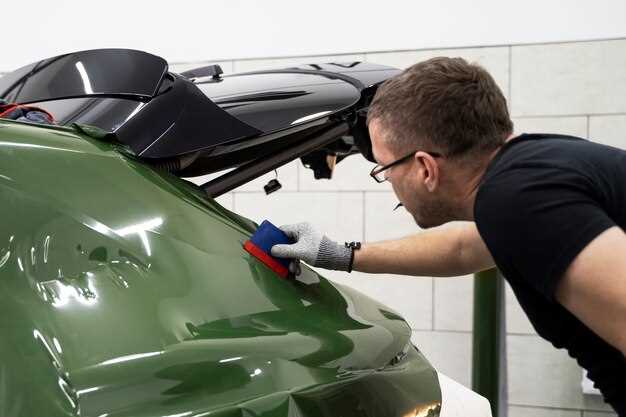
When it comes to paintless dent repair, having the appropriate tools is essential for achieving effective results without damaging the vehicle’s finish. The right selection of tools not only enhances the repair process but also ensures efficiency and precision.
Dent Removal Rods are among the primary tools used in paintless dent repair. These rods come in various shapes and lengths, allowing technicians to access different areas of the vehicle while maintaining control. A good set of rods allows for manipulation of the metal from behind the dent, pushing it back into its original shape.
Glue Puller Kits are another vital component. These kits typically include various adhesive pads and a pulling tool. By applying glue to the pad and sticking it to the dent, technicians can pull the dent outward, often with minimal effort. It’s crucial to choose a high-quality adhesive that can withstand heat and environmental conditions during the repair process.
Lightning and Reflection Boards assist in visualizing the dent’s shape and depth. These tools help technicians see the uneven surface more clearly, allowing for precise adjustments. Proper lighting is crucial for identifying the areas needing attention and ensuring a smooth repair.
Heat Guns play a significant role in paintless dent repair by softening the vehicle’s metal. This makes it easier to manipulate the metal effectively. However, care should be taken to avoid overheating, which can cause damage to the car’s paint or surrounding materials.
In conclusion, selecting the right tools for paintless dent repair is critical for successful outcomes. Investing in high-quality equipment not only improves the efficiency of the repair process but also helps in maintaining the integrity of the vehicle’s finish. Each tool serves a specific purpose, and understanding their functions will lead to better results in dent removal tasks.
Step-by-Step Guide to Executing Paintless Dent Repair
Paintless Dent Repair (PDR) is an effective method for repairing small dents without the need for repainting. This guide will walk you through the essential steps to successfully perform PDR on your vehicle.
Step 1: Assess the Dent
Start by examining the dent to determine its size, depth, and location. Ensure the surface around the dent is intact and free from scratches, as this will influence the repair method. A shallow dent located on a flat area is ideal for PDR.
Step 2: Gather Your Tools
Collect the necessary tools for the job, which typically include a set of PDR rods, a tap-down tool, and a heat source (like a hairdryer). If the dent is more stubborn, you might also need a glue gun and tabs to assist in the pulling process.
Step 3: Prepare the Surface
Clean the area around the dent thoroughly to remove dirt and debris. This ensures that your tools can move smoothly during the repair and helps prevent additional scratches.
Step 4: Heat the Dent Area
Using a heat source, warm the metal around the dent for around 30 seconds. Proper heating expands the metal, making it more malleable and easier to work with. Be cautious not to overheat any plastic components near the dent.
Step 5: Execute the PDR Technique
Utilizing the PDR rods, gently push the dent from behind the panel. Start from the outer edges and gradually work towards the center. If access to the back of the panel is restricted, apply a glue tab to the surface and use the pulling method to lift the dent outwards.
Step 6: Tap Down Any High Spots
After popping the dent out, there may be high spots remaining. Use the tap-down tool to gently massage these areas back into the plane of the panel. This step is crucial to achieving a smooth finish.
Step 7: Final Inspection
Once you are satisfied with the repair, inspect the area from various angles to ensure that the dent is completely eliminated. Once confirmed, clean the area again to remove any marks left by the tools.
By following these steps, you can effectively perform Paintless Dent Repair and restore your vehicle’s appearance without the need for repainting.
Common Mistakes to Avoid During PDR Process
When undertaking paintless dent repair (PDR), many individuals make common mistakes that can compromise the effectiveness of the repair. Recognizing and avoiding these pitfalls is crucial for achieving optimal results.
One major mistake is applying too much pressure when attempting to resolve a dent. PDR relies on careful manipulation of the metal to restore its original shape. Applying excessive force can lead to creases or further damage the paint, negating the benefits of the repair.
Another frequent error is neglecting to assess the underlying structure of the dent. Each dent is unique, and understanding the type of damage is essential for selecting the right tools and techniques. Failing to do so can result in inadequate repair or a prolonged process.
Using incorrect tools is also a critical mistake. High-quality, specialized tools designed for PDR are necessary to avoid damaging the vehicle’s surface. Cheap or makeshift tools might seem tempting, but they can lead to permanent harm.
Timing is essential in the PDR process. Many technicians rush through the steps, aiming for quick results. However, taking the time to evaluate the dent and carefully work through each phase ensures a better outcome and maintains the integrity of the paint.
Lastly, improper lighting and visibility can hinder the effectiveness of the PDR process. Adequate lighting is essential for accurately assessing the damage and executing the repair. Inadequate illumination can result in missed dents or improper techniques being applied.
By avoiding these common mistakes during the PDR process, technicians can ensure a more efficient and successful repair, ultimately preserving the vehicle’s appearance and value.


