


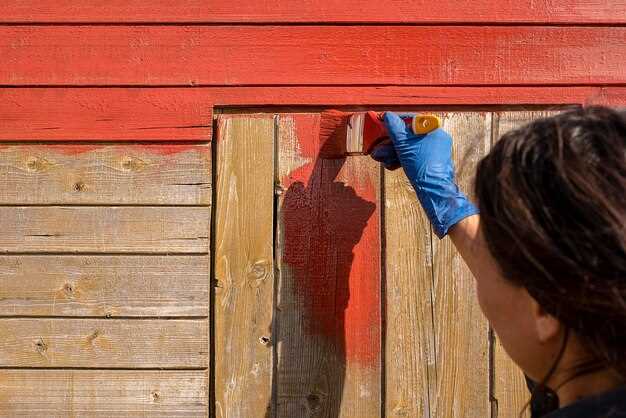
Rust can be a significant challenge when it comes to maintaining metal surfaces. It compromises the integrity of materials, leading to deterioration and potential failures. To effectively address rust, it is essential to prep the surface properly before proceeding with any repainting efforts. This guide will walk you through the necessary steps to ensure a successful restoration of your metal surfaces.
Before tackling the task of repainting, it is crucial to repair any impacted areas. The key to a durable finish lies in the thorough removal of rust, which not only enhances the appearance but also prevents further damage. Understanding the right techniques and tools for sanding can make all the difference in achieving a smooth, well-prepped surface ready for new paint.
A well-executed sanding process allows for the removal of rust and old paint, creating a clean foundation for repainting. Following the proper methodology for prepping your rusty metal surfaces will ensure long-lasting results, protecting your investments and maintaining their aesthetic appeal for years to come.
Tools and Materials Needed for Rust Removal and Surface Preparation
To effectively repair and repaint rusty metal surfaces, it is essential to gather the right tools and materials. The first step in the process involves rust removal, which can be achieved using a variety of methods and equipment.
Begin with safety gear, including gloves, goggles, and a dust mask. These items protect against harmful particles and dust generated during rust removal. Next, choose the right method for rust removal: mechanical or chemical. For mechanical methods, a wire brush or flap disc attached to a power tool can effectively scrape away rust from the surface. Sanding blocks and abrasive pads can also be utilized for more delicate areas where precision is necessary.
If opting for a chemical approach, rust converters or gel-based removers can neutralize rust and halt its progression. Ensure you have a clean, soft cloth for applying these substances and for wiping off any residue afterward. Additionally, using a vacuum or compressed air will help clear away dust and debris, ensuring a smooth surface.
Surface preparation is crucial, so after rust removal, consider using an etching primer to enhance adhesion for the paint layer. A paintbrush or spray gun will be needed for applying the primer and paint evenly across the surface. Marking tape can help protect adjacent areas from overspray.
Finally, always keep cleaning materials, such as rags and solvent, handy for tidying up the workspace and removing any spills or smudges. By assembling these tools and materials, you can effectively prepare a rusty metal surface for a long-lasting finish.
Step-by-Step Process for Sanding and Applying Primer on Rusty Metal
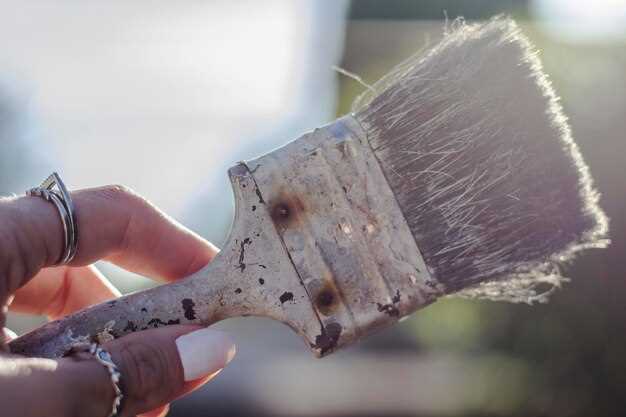
Repairing rusty metal surfaces is essential for maintaining the integrity and appearance of your metal objects. Follow this detailed process for effective sanding and priming.
Step 1: Gather the Necessary Tools and Materials
Before starting, collect all the necessary tools: a wire brush, sandpaper (preferably different grits), a power sander (if available), safety goggles, gloves, and rust-inhibiting metal primer. Having these on hand will streamline the repair process.
Step 2: Prepare the Area
Work in a well-ventilated area to avoid inhaling dust and fumes. Lay down a drop cloth to protect your surroundings and keep the workspace clean.
Step 3: Remove Loose Rust and Debris
Using the wire brush, scrub the rusty surface to remove any loose rust, dirt, or debris. This step is crucial as it ensures better adhesion of the primer to the metal.
Step 4: Sand the Rusty Surface
Begin sanding with a coarse grit sandpaper (such as 60-80 grit) to remove heavy rust. Progress to finer grits (120-220 grit) for smoothing the surface. Ensure an even sanding motion to avoid creating scratches that could impact the final finish.
Step 5: Clean the Surface
After sanding, thoroughly clean the metal surface with a damp cloth to eliminate dust. Allow the surface to dry completely before proceeding to the next step.
Step 6: Apply Rust-Inhibiting Primer
Shake the primer can well before use. Using a paintbrush or spray applicator, apply an even coat of primer onto the prepared surface. It is important to cover all areas, focusing on spots that were heavily rusted. Allow the primer to dry according to the manufacturer’s instructions.
Step 7: Inspect and Touch Up
Once the primer is dry, inspect the surface for any missed spots or rust bleed-through. If necessary, apply a second coat of primer for optimal protection. Ensure the primer is fully dry before moving on to painting.
By following these steps, you can effectively sand rusty metal surfaces and apply primer, ensuring long-lasting protection against rust and environmental damage.
Choosing the Right Paint and Finish for Long-Lasting Protection
Selecting the correct paint and finish is crucial for ensuring long-lasting protection of rusty metal surfaces. The first step is to identify the type of rust present and assess the condition of the surface after thorough prep work. This assessment will influence your choice of products.
For rusted surfaces, use a primer specifically designed for metal and rust prevention. A rust-inhibiting primer can create a barrier that prevents future corrosion. Look for products containing zinc or phosphoric acid, which help to neutralize rust and prepare the surface for painting.
When it comes to paint, opt for high-quality acrylic or enamel paints that are formulated for metal. These paints tend to adhere better and provide a durable finish. Ensure that the paint is also UV-resistant, as exposure to sunlight can degrade the protective properties over time.
Additionally, consider the finish of the paint. A semi-gloss or high-gloss finish not only enhances the appearance but also offers superior protection against moisture and stains. Matte finishes may look appealing but often lack the necessary resilience against the elements.
Lastly, applying a clear protective topcoat can further extend the lifespan of your paint job. This additional layer will shield the paint from scratches and environmental factors, ensuring that your investment in rust prevention remains intact for years to come.


