


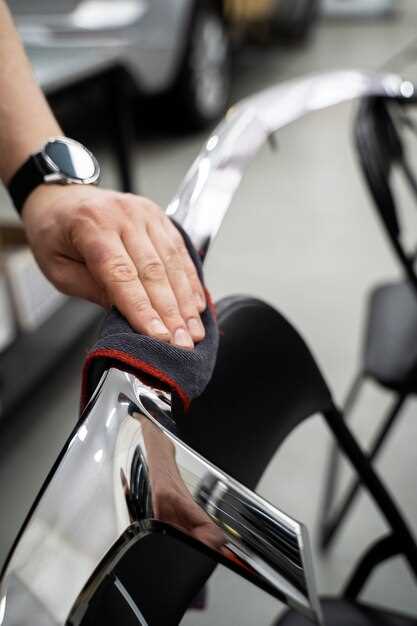
When it comes to maintaining the aesthetics of your vehicle, the condition of the chrome and trim plays a pivotal role. Over time, chrome surfaces can lose their luster due to exposure to harsh elements, resulting in dullness and corrosion. This is why proper maintenance techniques like polishing or replating become essential for achieving a stunning appearance and long-lasting durability.
Polishing chrome offers a quick and effective way to restore its shine, removing minor imperfections and enhancing its reflective qualities. However, when the damage is extensive and the surface is compromised, replating becomes a necessary solution. Understanding the differences between these two processes can help you make an informed decision based on the current condition of your chrome finishes.
In this article, we’ll explore the methods for polishing and replating chrome details, discussing their benefits, drawbacks, and when to choose one over the other. Whether you’re a car enthusiast or someone looking to refresh the look of your vehicle, mastering these techniques will ensure your chrome and trim remain striking and impressive.
Choosing the Right Method: Polish vs. Replate
When it comes to restoring chrome trim on vehicles or household items, two primary methods stand out: polishing and replating. Each method has its advantages and drawbacks, making the choice dependent on the specific condition of the chrome and desired outcome.
Polishing is typically recommended for chrome details that are still in good condition but have lost their shine due to light corrosion, surface scratches, or oxidation. This process involves using abrasive compounds to buff the surface, effectively removing minor imperfections and restoring the reflective quality of the chrome. Polishing can usually be performed at home with the right tools and materials, making it a cost-effective option for many restorers.
On the other hand, replating is a more intensive process necessary for severely damaged or rusted chrome trim. Replating involves removing the existing chrome layer and applying a new layer of metal. This method restores the part to its original factory condition and is ideal for items that have significant wear or where the base metal is exposed. Though more expensive and often requiring professional services, replating results in a highly durable finish that can withstand the test of time.
In conclusion, the choice between polishing and replating depends on the restoration needs of the chrome trim. For minor blemishes, polishing offers a quick and affordable solution. For extensive damage, replating is the best way to restore aesthetic and functional integrity. Assessing the condition of the trim will guide you to the right method for optimal results.
Step-by-Step Guide to Polishing Chrome Trim

Polishing chrome trim enhances the aesthetic appeal of your vehicle while providing essential restoration to prevent rust and corrosion. Follow these steps for optimal results.
Step 1: Gather Your Materials
Collect all necessary supplies: a non-abrasive chrome polish, microfiber cloths, a soft-bristled brush, water, and protective gloves. Ensure that your workspace is well-lit and free from debris.
Step 2: Clean the Chrome Surface
Start by washing the chrome trim with soapy water to remove dirt and grime. Use a soft cloth or sponge to avoid scratches. Rinse thoroughly and dry with a microfiber cloth to prevent water spots.
Step 3: Inspect the Chrome
Examine the chrome for any signs of rust, pitting, or heavy oxidation. Identify areas that require more attention and note any severe damage that may need professional restoration.
Step 4: Apply Chrome Polish
Using a clean microfiber cloth, apply a small amount of chrome polish directly to the cloth. Rub it onto the chrome surface in circular motions, ensuring even coverage. Avoid using too much pressure, which can cause scratches.
Step 5: Buff the Chrome Trim
After applying the polish, let it sit for the time recommended by the manufacturer. Use a separate clean microfiber cloth to buff the chrome trim, working in small sections until you achieve a smooth, shiny finish.
Step 6: Rinse and Dry
Once buffing is complete, lightly rinse the trim with clean water to remove any excess polish residue. Immediately dry the surface with another microfiber cloth to prevent water spots and enhance shine.
Step 7: Inspect and Maintain
Finally, inspect the chrome for any missed spots or imperfections. Regular maintenance ensures the longevity of your chrome trim. Repeat this process every few months to keep your chrome looking its best.
When to Consider Replating Chrome Components

Replating chrome components should be considered when the trim shows significant signs of wear, corrosion, or pitting. Over time, exposure to various elements can lead to a deterioration in the chrome finish, making restoration necessary to maintain both aesthetic appeal and protection against further damage.
If you notice that the chrome surface begins to appear dull or discolored, it indicates that the existing plating has diminished. At this point, polishing alone might not suffice to restore it to its former glory. Replating provides a new layer of chrome, greatly enhancing the appearance and longevity of the trim.
Additionally, if the underlying metal is beginning to show through due to scratches or abrasions, replating becomes essential. Ignoring these issues can lead to rust or further corrosion, compromising the integrity of the component and necessitating more extensive repairs.
Another consideration for replating is when restoring a classic or vintage vehicle. Many enthusiasts prefer the original look and quality of chrome trim, and replating can help bring those old components back to life, maintaining the vehicle’s authenticity and value.
In summary, consider replating chrome components when signs of wear, corrosion, or damage are evident. This process not only enhances the visual impact of the trim but also serves as an essential step in the restoration process, ensuring that your chrome details maintain their shine and protective qualities for years to come.


